The Ultimate Guide to Deck Staining & Fence Staining in North Carolina


North Carolina homeowners get a lot of use out of their outdoor living spaces, relaxing on spacious wooden decks and enjoying a property ensconced in lovely wood fencing. But between the sun, heat, humidity, and the rainfall that rolls through Raleigh and the Greater Triangle Area, your deck and fencing are under constant pressure from the elements. This is why projects involving deck staining in North Carolina require more than a cursory or generic, one-size-fits-all approach.
Done right, staining protects your wood while preserving or enhancing the look you want. This guide walks you through all the steps that lead to a beautifully stained deck and fence, from choosing a stain to how wood types factor in, the difference between staining and other finishes, seasonal timing, preparation requirements, cost, and the maintenance that keeps your investment looking fantastic for years.
Why Do North Carolina Wood Decks and Fences Benefit From Stain?
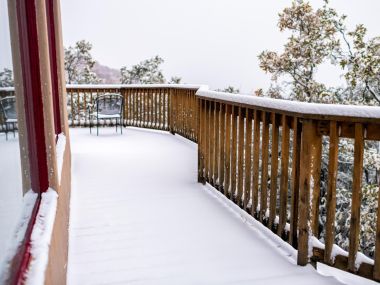
Rain and humidity are a bigger threat to a deck or fence than most homeowners realize. When moisture works its way into unprotected wood, it leads to swelling, warping, mildew and fungal growth, and eventually decay. Meanwhile, UV exposure during the spring and summer months causes fading, graying, drying, and a gradual breakdown of the wood fibers themselves.
A good quality deck stain helps reduce moisture penetration, and the pigment in that stain provides a tangible degree of UV protection. In fact, the more pigment, the more it shields the wood from the ravages of the sun. Staining also lets you enhance or adjust the appearance of your deck and fencing without necessarily hiding all the charm and elegance that wood brings to your outdoor spaces. One thing worth being upfront about: stain protects sound wood, but it can't repair wood that's already rotted or structurally compromised. That's a repair job, not a finishing job, and as a team of experienced and certified contractors, we can bring your deck or fence up to snuff, or replace boards as needed and stain from scratch.
Why Do Decks and Fences Weather Differently?
Even though they're both exterior wood features, your deck and your fence don't age the same way. Deck boards are horizontal, so they take on foot traffic, furniture, planters, debris, and standing water directly on the surface. Fence boards are vertical, which means they shed water more easily, but they're exposed to prolonged sun and weather along their full height. This means their posts, rails, joints, and end grain each have their own moisture vulnerabilities. Because of these differences, your deck and fence staining needs are different, even if they're on the same property.
What Is the Best Stain for Your Deck or Fence?
There is no single product that qualifies as the universal "best." The right choice depends on your wood's type and current condition, whatever coatings are already on it, how exposed it is to sun and weather, the look you're going for, and how much maintenance you're willing to keep up with. Since we offer free estimates for our work at Anderson Painting, feel free to call us up and let’s assess your project together.
Transparent, Semi-Transparent, and Solid Stains
Stain options fall along a spectrum of opacity. Transparent and clear finishes preserve the most natural look, but because they carry less pigment, they generally offer less UV protection. Semi-transparent stains add color and protection while still letting the wood grain show through—a common middle-ground choice. Semi-solid and solid stains provide more coverage and can even out the appearance of weathered wood, though they obscure the grain as opacity increases. More coverage isn't automatically the better call; it comes down to the aesthetic you prefer and the condition the wood is currently in.
Oil-Based vs. Water-Based Stains
Oil-based stains tend to penetrate more deeply into the wood, which can mean a longer stretch between recoats and a smoother, more even finish. Water-based stains dry faster, clean up more easily, and are generally lower in VOCs, making them a popular choice for homeowners who want a lighter environmental footprint. Beyond that, the two differ in how they handle mildew resistance, product formulation, and compatibility with whatever coating is already on your wood. Neither type is universally superior, and once again, the right one depends on your deck or fence's specific situation, including what was used on it before.
How Should You Choose a Stain Color?
Your stain color doesn't exist in a vacuum. Think about how it will read against your home's siding and trim, the wood's natural tone, the landscaping around it, and how much of the grain you want visible once the stain dries.
Does Wood Type Affect Which Stain You Should Use?
Pressure-Treated Wood
Pressure treatment protects lumber from pests and decay, but it doesn't mean the wood is exempt from exterior finishing; this type of wood still benefits from stain. New pressure-treated lumber, however, can hold onto a fair amount of moisture, and staining over wood that's still wet means the coating won't perform the way it should. So the first step is understanding whether the wood is dry enough to absorb the finish. A simple water-drop test (splashing a small amount of water on the surface and watching how quickly it soaks in) gives you a rough read, and a moisture meter gives a more precise one. Once you've confirmed the wood is ready, an oil-based pressure-treated wood stain is generally the better-performing option for this material, since most products formulated specifically for pressure-treated lumber lean oil-based.
Cedar Decks and Fences
Cedar is often chosen specifically for its grain pattern and natural coloring, which makes opacity an especially important decision. A cedar deck stain with a transparent or semi-transparent formula tends to preserve more of that natural character while still delivering protection. A solid stain will cover up much of what made you choose cedar in the first place.
Previously Stained or Weathered Wood
If your deck or fence has been stained before, compatibility with the existing coating is priority number one. Applying a new product over an old finish that isn't fully compatible can lead to poor adhesion, blotchy color, or a coating that peels well before its time. Weathered or failing finishes often need to be stripped or sanded before a new product goes on, since older wood frequently calls for a different approach than fresh, unfinished lumber. If your wood has gone a long stretch without any coating at all, we recommend checking for graying, surface roughness, or fine checking in the grain. These are all signs that a bit of extra prep will help the new stain take hold properly.
Should You Stain, Seal, or Paint Your Deck or Fence?
Stain vs. Sealer
Traditional clear sealers are formulated primarily around moisture resistance. Stains add pigment, and depending on the make-up, they can offer UV protection along with moisture resistance. Many modern exterior wood products combine both functions, so you don't necessarily need to apply a separate stain and sealer. The right call comes down to what your specific wood surface needs. That's the trick with deck sealing: it's one piece of a broader protection strategy, not always a standalone step.
Is It Better to Paint or Stain a Deck?
For deck painting vs staining decisions, the right choice depends on your goals. Stain retains the visible wood grain, while paint gives you far more color freedom and generally hides the grain entirely. Paint and other film-forming finishes also behave differently over time; their maintenance needs and failure patterns aren't the same as those of a stain. Your existing coating and the wood's current condition both factor in here, and neither option comes out ahead in every situation.
When Is the Best Time to Stain a Deck or Fence in North Carolina?
The best time to stain isn't solely about the season; it's about your wood's condition and the weather during and immediately after application. You want appropriate air and surface temperatures, wood that's sufficiently dry, and a rain-free stretch long enough for the product to cure. Humidity, direct sunlight, and excessive heat can all interfere with how the stain sets.
In North Carolina, spring and fall tend to offer more favorable windows, but neither season guarantees the right conditions on any given day. Hot summer sun can cause the stain to dry too quickly, leading to uneven application and lap marks. In short, the forecast and the state of your wood matter more than picking a date off the calendar. We’re used to working around various weather patterns and can help you spot a genuinely good timeline window instead of guessing based on past conditions during a certain month.
How Are Decks and Fences Prepared and Stained?
Let’s break down the best process for prepping and staining decks and fences.
1. Inspect and Repair the Wood
Before any stain hits the deck or fence, the surface needs a considered inspection. This means checking for rot or deterioration, replacing or repairing damaged boards, securing loose boards, addressing protruding nails or fasteners, and identifying splintering or cracking. Also check for mildew, algae, or other contamination. Stain is a protective finish, sure, but it’s not a substitute for repairs. Skipping this step just means the new coating will fail faster, and nobody wants that.
2. Clean and Prepare the Surface
Once repairs are handled, the surface needs to be clean: dirt and organic buildup removed, appropriate pressure washing (too much pressure can actually damage the wood fibers, so this needs a measured touch), loose or failing coatings stripped away, and sanding where needed. From there, the wood needs enough time to dry before any stain is applied.
3. Apply the Stain Correctly
The right application method depends on the surface and the product, but the goal is always the same: even coverage without puddling or overapplication, paying particular attention to railings, stairs, edges, joints, and the harder-to-reach areas of a fence. Rather than assuming every job needs two coats, the manufacturer's coverage, coat count, temperature, and drying instructions should guide the application.
How Much Does Deck and Fence Staining Cost in North Carolina?
An accurate deck staining cost or fence staining cost estimate really requires an in-person look at your wood, because the price depends on so many different things: square footage or fence dimensions, the wood's current condition, any repairs needed, cleaning and stripping requirements, existing coatings, and the product and finish you choose. Accessibility to the area and the overall design complexity of the structure must also be factored in.
That last point is something many homeowners don’t take into consideration: A straightforward fence and a shadowbox or board-on-board design don't present the same amount of stainable surface or labor, even if their footprint looks similar.
If your deck and fence are both due for refinishing, handling them as a single project can simplify scheduling and create a more coordinated appearance, and it may help align your future maintenance timeline. That said, it's worth noting that combining the projects isn't a guaranteed cost savings in every case, since the total materials and labor still reflect the total surface area involved. What it does offer is a single estimate and one weather window to plan around instead of two, which is often worth as much to homeowners as the dollar figure itself.
How Often Should You Stain a Deck or Fence in North Carolina?
Pro tip: Don't rely on the calendar alone to decide when it's time to restain. How long a finish lasts depends on the product and its opacity, the quality of preparation and application, how much sun and rain the surface takes on, nearby shade and vegetation, the wood species, foot traffic, and whether the surface is horizontal or vertical.
Signs your deck may need attention include:
- Worn traffic areas
- Fading
- Exposed or weathered wood
- Increased water absorption
- Visible coating deterioration
For fences, watch for:
- Fading or graying
- Uneven appearance
- Weathered fibers
- Declining water repellency
- A finish that's clearly failing
How Can You Make Deck and Fence Stain Last Longer?
Good deck maintenance between staining projects goes a long way toward extending the life of your finish. That means clearing leaves and organic debris, cleaning the surface periodically, addressing mildew or algae as it appears, and making sure moisture doesn't get trapped underneath planters or furniture for long stretches. Keeping vegetation from crowding the wood, repairing damage promptly, and giving the finish an annual once-over all help, too.
Protect Your North Carolina Deck and Fence
A stained deck or fence that lasts comes down to the same combination: the right finish, sound wood underneath it, thorough preparation, favorable weather during application, correct technique, and consistent care afterward.
With 20 years of experience serving homeowners and businesses throughout Raleigh and the Greater Triangle Area, our team at Anderson Painting brings the knowledge and craftsmanship needed to properly protect and restore your deck and fencing for years to come.
As a full-service contractor offering interior and exterior painting, carpentry, pressure washing, and Penntek concrete coatings, we are your trusted team of experts. No matter the scope of the work, we bring the same level of attention to detail, skilled craftsmanship, clear communication, and customer-focused service to every project.
If your deck or fence is due for attention, get it done right the first time. Request a free estimate from our team at Anderson Painting today!