How to Properly Care for Your Painted Kitchen Cabinets


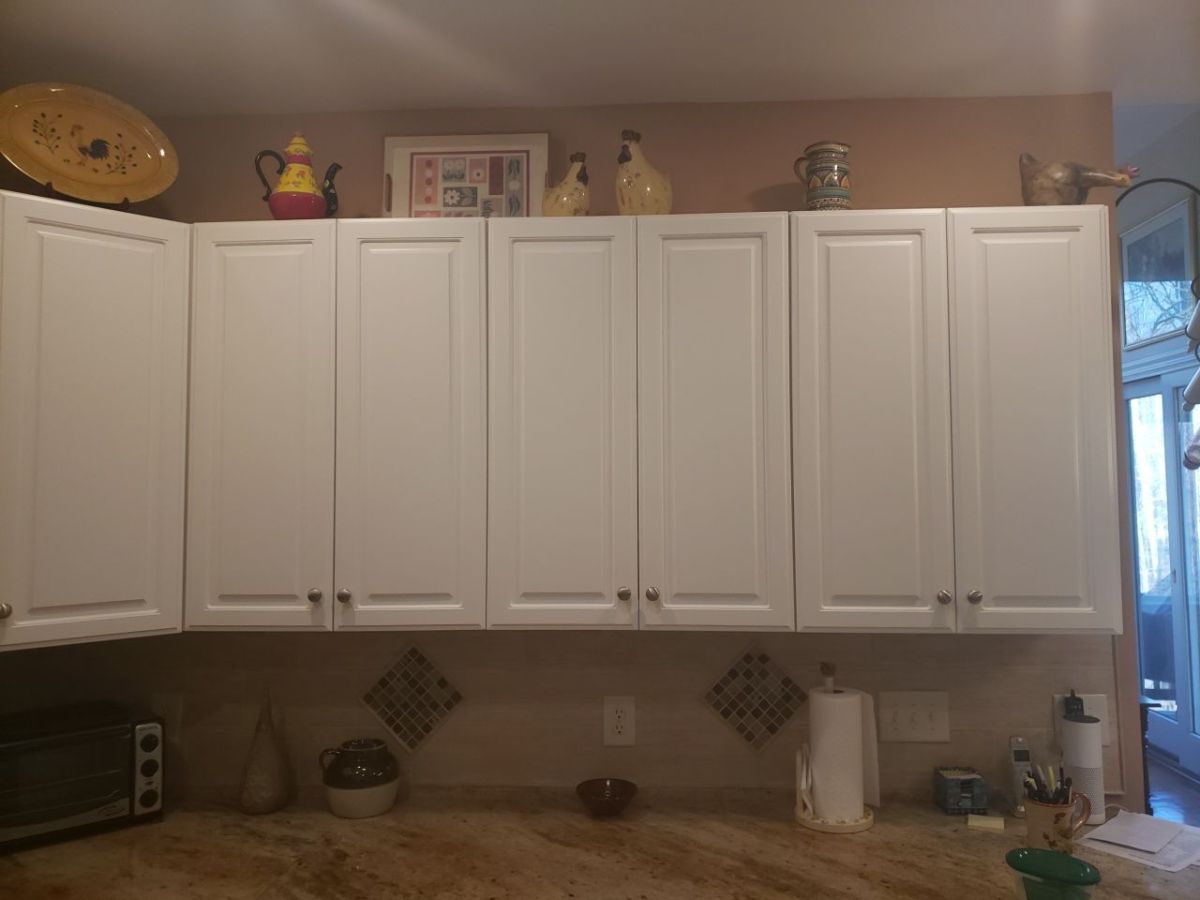
Painted kitchen cabinets can add a pop of color and personality to your kitchen while protecting the wood or any material underneath. However, with daily use and exposure to heat, grease, and moisture, painted cabinets are prone to wear and tear. Proper maintenance and care can help extend the lifespan of your painted cabinets and keep them looking vibrant and new.
In this blog, we’ll provide tips and tricks on how to care for painted kitchen cabinets, from establishing a cleaning routine to determining elements that are detrimental to paint. Whether you have just installed newly painted cabinets or want to refresh your old ones, this guide will help you keep them in good condition for years.
Clean Regularly and Properly
Your kitchen cabinets are exposed to grease, dirt, and dust that can accumulate over time and cause blemishes on the paint. While dirt, spills, and dust do not pose an imminent danger to the paint, they can make it look unhygienic. Also, dust and dirt buildup, smears, and spills can be tougher to get rid of if left uncleaned for a while.
It’s not enough to clean regularly, either. You can only protect your painted kitchen cabinets if you clean them properly. You may ask, what is the best way to clean painted kitchen cabinets? You must use gentle cleaning solutions, like a mix of warm water and dish soap, and wipe any spills and smears while they are fresh.
Regular cleaning not only enhances the visual appeal of the kitchen but also promotes a healthy environment. Kitchen cabinets can harbor bacteria, mold, and food particles, contaminating the surroundings if not cleaned regularly. By keeping the cabinets clean, homeowners can minimize the risk of cross-contamination and maintain a hygienic space for food preparation.
Important: Avoid Harsh Cleaning Products
Scrub brushes, steel wool, powdered cleaners, bleach, ammonia, and scouring pads may work wonders on a sink. So, you may be tempted to use them to clean your kitchen cabinets. However, anything abrasive can damage the finish of your kitchen cabinets’ paint.
Stick with gentle cleaning solutions, like dish soap, warm water, and baking soda. These cleaning solutions can deal with even the toughest stains. In terms of cleaning tools, use a microfiber cloth or anything soft. If you’re using a piece of old clothing, make sure it has no buttons, snaps, or zippers, as they can also scratch and damage the paint.
Keep Out of Direct Sunlight
The same way you protect your skin from harmful ultraviolet (UV) rays when outdoors, you must also prevent your painted kitchen cabinets from direct sunlight.
UV rays can cause paint, no matter how expensive or high-quality, to fade over time. To prevent fading, install your kitchen cabinets away from direct sunlight. If it’s impossible to move your kitchen cabinets, you can install blinds and curtains to prevent the furniture from being exposed to the sunlight.
Maintain the Proper Climate (Temperature and Humidity)
It’s common for the climate in the kitchen to fluctuate. The use of kitchen appliances that generate heat, HVAC problems, and other factors can contribute to climate fluctuation. Aside from causing discomfort to occupants, fluctuations in temperature and humidity can wreak havoc on your painted kitchen cabinets.
Check your painted cabinets’ parts that are located near your oven or electric heater. You’ll typically see blisters and even cracking or peeling. When exposed to fluctuating temperatures, your kitchen cabinets may also start contracting, warping, and expanding.
That’s why you must maintain a proper climate in the kitchen. The ideal humidity level is 30 to 50%, while the ideal temperature is 70 to 75 degrees Fahrenheit. You can measure the humidity levels in your property with the help of a digital or analog hygrometer.
Shield From Impact
A coat of quality paint offers a protective shield for your kitchen cabinets. The paint will be exposed to spills, impact, and other threats during regular use. If you want your kitchen cabinets to look clean and smooth, adding an extra layer of protection will help.
Seal the paint with epoxy or polyurethane sealer. These sealers come in different types, so do your homework before applying them to your painted cabinets. If you’re unsure or not confident enough to choose the appropriate product, you can always leave the task to experienced and trustworthy painters.
Touch Up When Necessary
The paint on your kitchen cabinets can start peeling or chipping over time. It’s inevitable. However, this does not mean you need to repaint them completely. You can repaint only the damaged parts.
When painting kitchen cabinets, make sure that you don’t just focus on choosing the right color. If you want the new paint to last, consider investing in high-quality paint and a primer specially formulated to prevent peeling.
Repainting is often more complex than it seems. For a better result, consider hiring a professional painter that uses only the best products to ensure you get the best results and service.
Adjust the Cabinet’s Hardware
The paint surrounding your kitchen cabinet’s handles and knobs can peel, crack, or rip because of constant friction from loose hardware. If you don’t fix it immediately, the small peeling, cracking, or ripping surrounding the cabinet’s hardware can cause a domino effect of paint removal.
Since you’ll always use the handles and knobs of your kitchen cabinet, it can be difficult to reduce the friction. However, it is possible to prevent damage by affixing small pieces of felt to the inside corners of the doors so you can easily open them without using the handles too often.
Keep the Cabinet Dry
Cabinets should be kept dry, especially if they are made of wood. Too much moisture can lead to rotting, which will be more costly and difficult to repair. You can prevent rotting by keeping any steam or water sources away from your kitchen cabinets.
Don’t hang wet dish towels directly over the doors of your painted kitchen cabinets. The cabinet may absorb moisture, causing discoloration and irreversible damage to the furniture.
Hopefully, this answers the question, “How do you maintain painted cabinets?" If you want to learn more, the pros are just a call away.
Give Your Painted Kitchen Cabinets the Right TLC
If your painted kitchen cabinets need touch-ups or professional maintenance, you can always count on Anderson Painting.
Hiring a professional painter to paint kitchen cabinets can make a world of difference in terms of quality, efficiency, and overall satisfaction with the results. Professional painters possess the expertise and experience necessary to achieve flawless and long-lasting results.
These experts have in-depth knowledge of different types of paint, primers, and finishes, ensuring the cabinets are properly prepared, painted, and sealed. The pros’ expertise extends to understanding the nuances of paint application, such as achieving even coverage and maintaining a smooth and professional finish.
Time and efficiency are also significant advantages when hiring professionals. Painting kitchen cabinets can be a time-consuming and labor-intensive process. Professional painters come equipped with the right equipment, such as sprayers or specialized brushes, which enables them to work efficiently and complete the project in a fraction of the time it would take an amateur. Their streamlined approach minimizes disruptions to your daily routine, allowing you to enjoy your revamped kitchen cabinets sooner.
Anderson Painting consists of skilled team members who can paint. In addition, we can also do carpentry and whatever you need to keep your painted kitchen cabinets in great condition. If you need a pro, call Anderson Painting today.