Your Building’s Exterior Is Trying to Tell You Something: Three Signs It’s Time for Commercial Maintenance


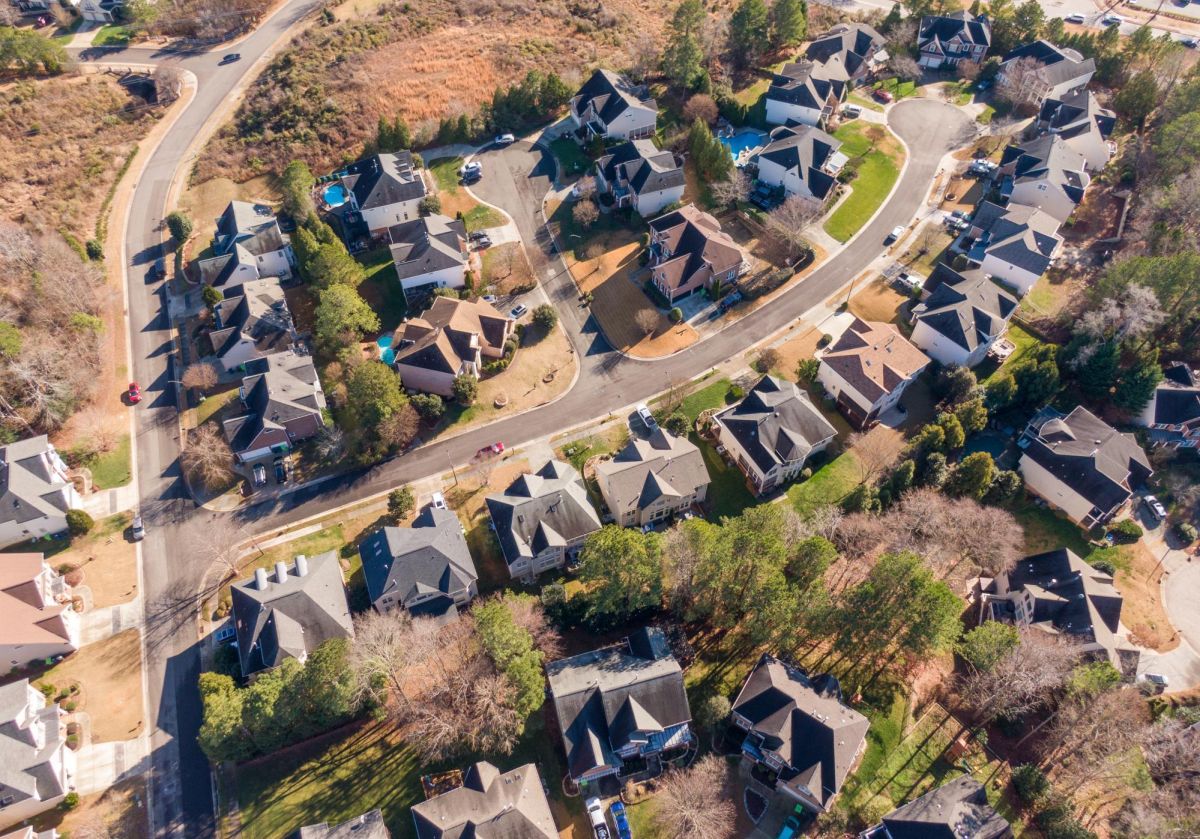
Wouldn’t it be great if townhome and multifamily complexes could flag developing problems for you before they turn into something more serious and far pricier than anyone budgeted for? Things like a failing caulk line, breached coatings, or patches of rotting wood? It would be great, but also weird, so staying ahead of commercial property maintenance is still central to property management activities. It can feel overwhelming, but not if you know what to look for.
At Anderson Painting, we’ve devoted over 20 years to inspecting, repairing, and painting multifamily, townhome, and light commercial properties for building managers and HOAs across Raleigh and the Greater Triangle Area. Based on our experience, here are the top three signs your building’s exterior is trying to tell you something, and how to resolve each issue.
How Do You Know When a Building Exterior Needs Maintenance?
Exterior problems range from early coating wear to more advanced damage. They often appear in the order listed below, but not always. Walk each elevation of your property and check trim lines, the joints around windows and doors, and the lower edges of siding where water tends to sit, and assess the conditions of these elements against the following list.
Sign #1: Chalking, Fading, and Failing Caulk
Caulked joints are potential entry points for moisture, the enemy of all outdoor structures. The paint film around these joints is the first line of protection. Early signs that siding, fascia, windows, or doors need attention include:
- Chalking: a powdery residue that comes off on your hand when you run it along the siding.
- Fading: as the condition suggests, color loss (usually most prominent on sun-facing elevations).
- Failing caulk: joints that are cracked, shrunken, hardened, or pulling away from the trim on window frames and door casings.
- Gaps: missing caulk at corners and where different materials meet.
Raleigh’s humidity makes these issues important to catch early, particularly on shaded elevations that stay damp. When addressed early, the fix isn’t complicated. A precise re-caulk and a maintenance coat are generally required for proper exterior building maintenance.
Sign #2: Peeling, Blistering, and Bare Patches
Once the paint film breaks, the surface underneath is directly exposed to the elements. Look for:
- Peeling or flaking paint: especially on trim, window sills, and lower siding courses.
- Blisters or bubbles: which can mean moisture has already seeped in.
- Bare or graying patches: these indicate paint has worn away completely.
- Hairline cracking: normally found across the film, most often along board joints.
Wood siding and trim usually fail sooner than other surfaces and therefore warrant routine monitoring. Painting over loose or damp materials won’t work. Quality commercial painting at this stage requires detailed preparation. At Anderson Painting, we scrape back to sound paint, sand and prime bare spots, and confirm the surface is dry before any finishing coat goes down.
Sign #3: Soft, Stained, or Rotted Wood
This is the most advanced stage of deteriorating wooden exteriors. To judge how advanced this kind of damage is, press a screwdriver tip into the wood. Soft, crumbling, or spongy wood can indicate rot. Other signs include:
- Dark staining or streaking: look below joints, sills, and rooflines.
- Swollen, warped, split boards: most often found at the bottom edges of trim and corner boards.
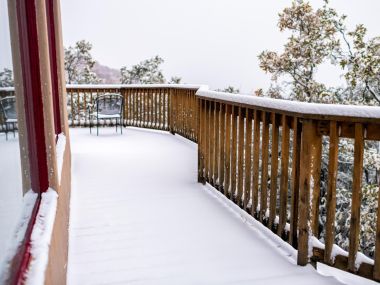
- Movement or looseness in balcony railings, posts, stair stringers, and breezeways: these warrant immediate attention.
Rotted wood has to be cut out and replaced. For multifamily and townhome properties, loose railings and stairs are an urgent safety issue. This type of commercial exterior repair starts with identifying and correcting the source of moisture, followed by replacing damaged wood, priming the new material, and matching the paint to the surrounding surfaces.
What Role Does an HOA Play in Exterior Maintenance?
The party (or parties) responsible for exterior maintenance depends on the property’s ownership structure, governing documents, and applicable North Carolina law. For planned communities covered by the North Carolina Planned Community Act, the association generally maintains, repairs, and replaces common elements unless the declaration provides otherwise. Condominium associations also have statutory responsibilities for common elements.
Your dated inspection report helps document commercial building maintenance needs, prioritize repairs, and support future budgeting. If an HOA board is unsure which exterior components it is responsible for, we recommend consulting a community association attorney.
How Does Anderson Painting Handle Exterior Projects?
We follow the same methodical process on every exterior project. It begins with an inspection, followed by comprehensive prep. Once necessary repairs have been completed, we prep again for the paint process. We work closely with our property management clients, keeping them informed throughout, and conducting a final evaluation with them once the work is done.
Anderson Painting is proud to be a highly rated local contractor with 200+ 5-star reviews on Google and an average 4.9 rating on Angi. If your building’s exterior is sending SOS signals, our team is here to turn them into a clear plan before problems escalate. Book a free estimate from Anderson Painting today.