Do You Need a Permit to Paint a Commercial Building in Raleigh, NC?


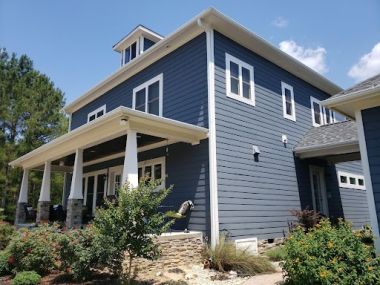
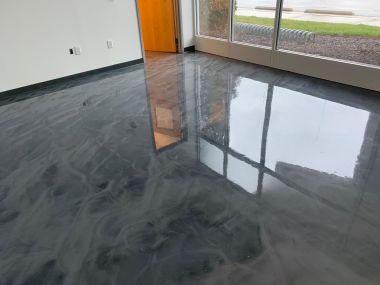
Business owners in Raleigh and Wilmington, NC, who want to update the façades of their commercial properties often consider tackling the project over a weekend. But do you need a permit to paint a commercial building? While painting seems like a straightforward task, the process may be regulated and more complex than it first appears. For instance, if your building is part of a mixed-use development or historic district, you may need a permit for painting.
Permit Requirements in Raleigh, NC
Painting alone usually does not require a permit in Raleigh. North Carolina state rules maintain that non-structural cosmetic work costing less than $40,000 falls outside of permit mandates.
As mentioned, however, this changes when the building is in a historic district. A Certificate of Appropriateness may be required in this instance. (The certificate may be required even if the project is purely cosmetic.)
Your painting project may also constitute part of a bigger renovation project. If so, you may need to submit your project under the Tier One Site Plan process.
Some exterior painting in Raleigh involves structural alterations or significant changes to the exterior. If this applies to you, the city may review the process first, in accordance with the Unified Development Ordinance. You would have to register in the permit portal and submit site plan drawings. For historic buildings, you may need to get approval from the Raleigh Historic Development Commission.
Why Permits Matter
Permits ensure compliance with local building codes and regulations. You will avoid fines and stoppage orders while preserving the property's value and integrity.
What to Do Before Painting
Before starting commercial painting in Raleigh, NC, follow these steps:
Determine whether the work is purely cosmetic or involves more complex renovations.
Check the building's zone and district.
Consult the City of Raleigh if you are unsure whether you need a permit.
Submit all documentation if requested to do so. This includes drawings and plans for structural and electrical alterations.
Pay the applicable fees and schedule the necessary inspections (via the portal).
A Note on Wilmington, NC
If your business operates from Wilmington or nearby, the approach to a painting project is similar. Wilmington requires a building permit for alterations that exceed simple painting or other minor work.
Local COAST permitting portal submissions and inspections are necessary for compliance. You will also need a Certificate of Appropriateness for any changes to historic district buildings. All minor and major projects must follow the Wilmington Design Guidelines.
Refresh Your Commercial Building Exterior With Anderson Painting
Do you want to do exterior painting in Raleigh, NC (or Wilmington), but don't know if you are complying with local regulations? Anderson Painting can help. We will determine whether you need city or county approval and assist you with your Raleigh exterior painting project.
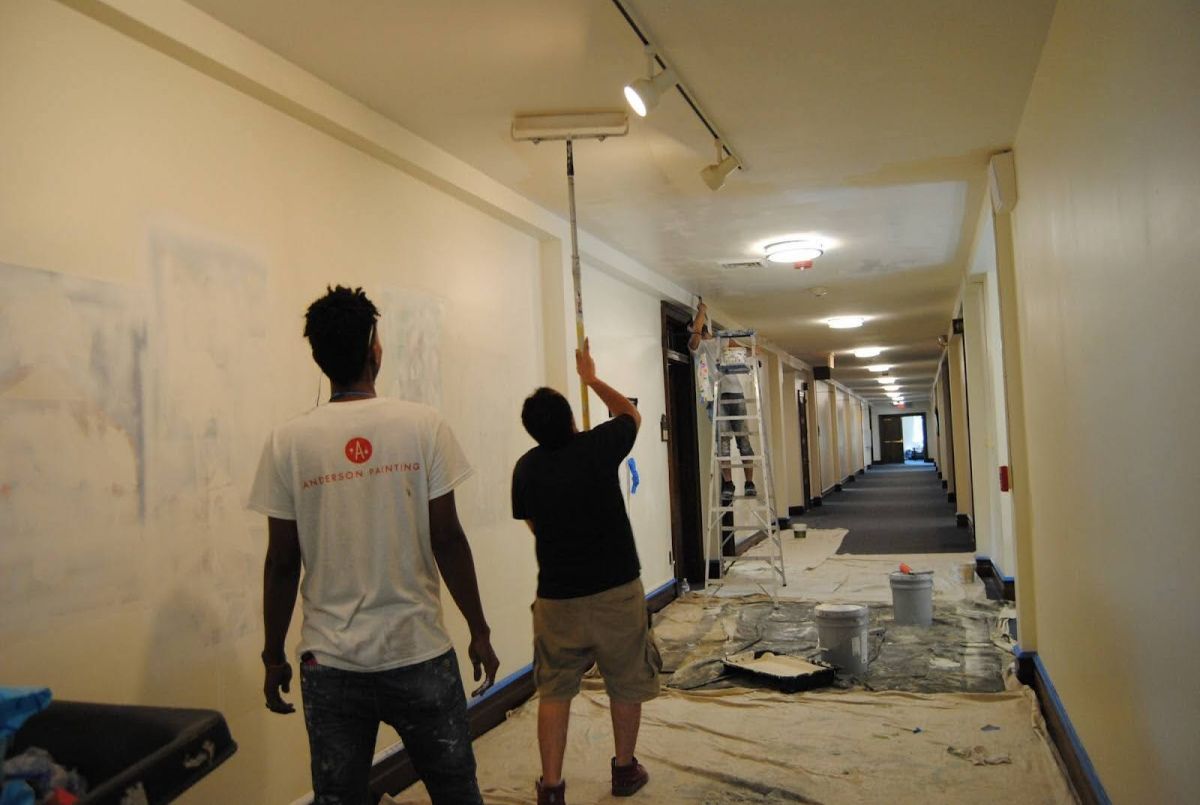
The Anderson Painting team offers top-quality exterior and interior painting services. We can also ensure minimal disruption to your business.
Contact us today for a free estimate and get started on your exterior building transformation. With Anderson Painting, you get full compliance and outstanding results.